
Your cart is currently empty!
Bullying in Schools
Addressing Bullying in Schools: A Comprehensive Approach
Bullying in schools is a widespread issue affecting millions of students. It can take various forms, including physical aggression, verbal harassment, social exclusion, and cyberbullying. The impact on victims is severe, often leading to anxiety, depression, academic decline, and even suicidal thoughts. Bullies, too, face long-term consequences, such as antisocial behaviour and difficulties in forming healthy relationships.
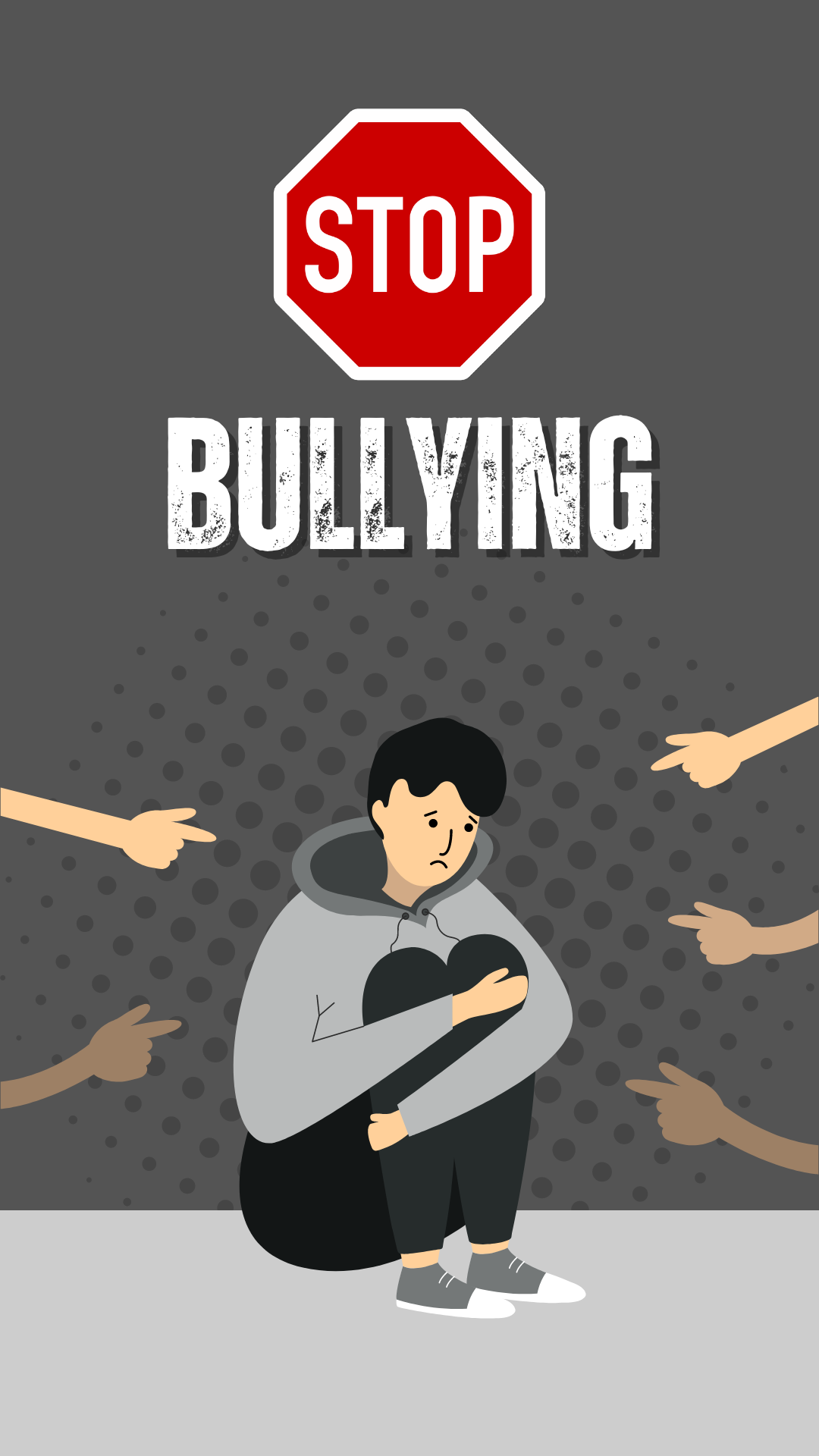
Understanding Bullying
Bullying involves repeated aggressive behaviour with an imbalance of power between the bully and the victim. According to the National Center for Educational Statistics, around 20% of students aged 12-18 experienced bullying in 2019. Cyberbullying is also a growing concern, extending harassment beyond school walls.
Key factors contributing to bullying include:
Family Environment: Neglect, abuse, or lack of supervision can lead to bullying behavior.
School Climate: Poor school environments and lack of policies can increase bullying incidents.
Peer Influence: Peer pressure and the desire for social dominance drive bullying.
Individual Traits: Impulsivity, lack of empathy, and aggressive tendencies contribute to bullying behavior.
Strategies for Prevention and Intervention
Effective strategies to combat bullying involve educators, parents, students, and the community:
- Positive School Climate: Foster respect and inclusivity through social-emotional learning programs.
- Clear Policies: Implement and enforce anti-bullying policies.
- Parental Involvement: Educate parents on bullying signs and encourage open communication.
- Peer Support: Establish peer mentoring and support systems.
- Technology Use: Monitor and prevent cyberbullying with educational programs on digital citizenship.
- Counseling Services: Provide counseling for victims and bullies to address emotional and psychological needs.
Conclusion
Addressing bullying in schools requires a multifaceted approach. By understanding the causes and implementing comprehensive strategies, we can create a safer, more inclusive environment for all students. Collaboration among educators, parents, and the community is essential to ensure every child has a bully-free learning experience.